If you've ever stared at a blank screen, wrestling with the elusive spark of inspiration for a new character, you know the struggle is real. While character design generators offer a powerful assist, the real magic happens when you infuse those AI-suggested concepts with time-honored Character Design Principles for Generator Users. This isn't about letting an algorithm do all the work; it's about harnessing its power to amplify your creative vision, turning fleeting ideas into truly unforgettable characters that resonate deeply with your audience.
We're not just talking about cool visuals here. We're diving into how to design characters with soul, purpose, and a distinct presence that jumps off the page or screen. Think of the generator as your super-powered brainstorming partner, but you remain the master storyteller, the principle architect of your creation.
At a Glance: Your Blueprint for Memorable Characters
- Treat Generators as Springboards: Use AI ideas as a starting point, not a final solution. They're excellent for breaking creative blocks and offering fresh combinations.
- Prioritize a Clear Vision: Before generating, have a basic idea of your character's role, setting, and desired impact. This guides your inputs and refinements.
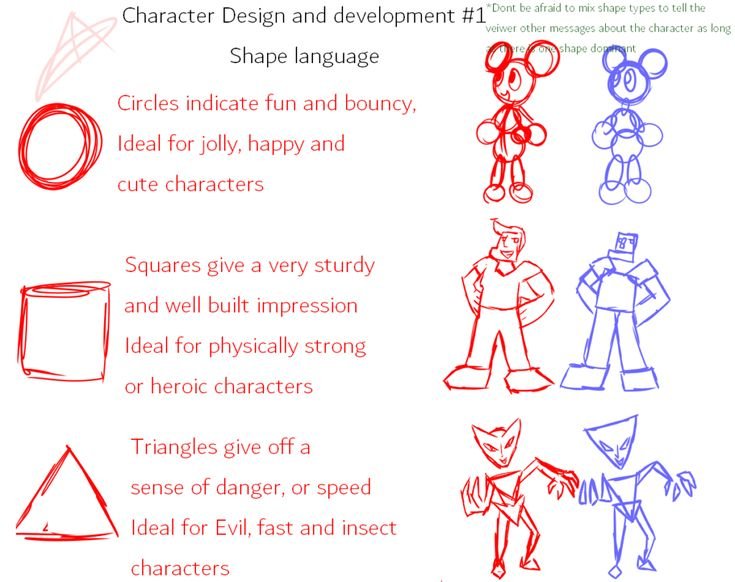
- Master Shape Language: Understand how basic shapes (circles, squares, triangles) communicate personality, and look for these cues in generated designs.
- Focus on a Unique Silhouette: Ensure your character is instantly recognizable even as a shadow. This is a cornerstone of strong design.
- Deep Dive into Personality: Leverage the generator's narrative tools to flesh out backstories, motivations, and quirks that make a character feel real.
- Embrace Iteration: Don't settle for the first result. Tweak, combine, and regenerate elements to push concepts further.
- Visual Storytelling First: Every design choice—from color to posture—should tell a part of your character's story.
- Refine Beyond the AI: Use generated concepts as a base for sketching, exploring expressions, and integrating them into your world.
Beyond the Button: Why Character Generators Are Your Secret Weapon (Not a Shortcut)
Character design generators, especially sophisticated AI-powered ones, are incredible tools. They intelligently mix traits, occupations, visual elements, and even narrative backgrounds to create distinctive profiles. Think of them as tireless assistants capable of exploring thousands of combinations in seconds, far beyond what any human could manually brainstorm.
However, their true value isn't in providing ready-made solutions, but in acting as a catalyst for your own creativity. You input basic parameters – a fantasy setting, perhaps, or a sci-fi genre – and watch as the AI proposes unique physical features, clothing, and accessories. This initial prompt is your jumping-off point, a rich trove of ideas to modify, blend, and refine. It's about overcoming creative blocks and kickstarting a process that might otherwise stall.
When you engage with a generator, you're not just clicking "generate." You're curating. You're observing. You're making informed decisions about which elements to keep, which to discard, and which to push further. This means understanding how to use its features strategically: customizing visual traits, filtering by category, locking attributes you love, and even leveraging its ability to generate cartoon movie characters with specific stylistic prompts. It's a dialogue between your intent and the AI's expansive database.
The Unseen Hand: Guiding AI with Fundamental Design Principles
Even with a generator doing the heavy lifting of initial ideation, foundational character design principles remain paramount. These are the rules of visual communication that help you discern a merely "generated" character from a truly "designed" one.
A. The Power of Pre-Visualization: Brainstorming & Research
Before you even touch that "generate" button, a little groundwork goes a long way. Think about your story's genre, its intended audience, and the specific role this character will play.
- Define Your Core Need: Do you need a gritty anti-hero for a cyberpunk novel? A whimsical mentor for a fantasy game? A relatable sidekick for an animated short?
- Gather Inspiration: Look at existing characters in your chosen genre, real-world figures, art, photography. What are their common tropes? How can you subvert them? What visual shorthand already exists?
- Set Initial Parameters: This pre-thinking helps you input relevant categories (fantasy, sci-fi, modern, historical) into the generator and provides a lens through which to evaluate its suggestions. You’ll be able to identify "smart attribute combinations" that align with your vision.
B. Sculpting Personality: Shape Language, Proportions, and Silhouette
These three elements are the bedrock of visual character design. They communicate a character's core identity long before a single line of dialogue is spoken. The generator might give you a complex character profile, but you need to understand how these visual elements reinforce or even contradict that profile.
- Shape Language: The Subconscious Communicator
Every basic shape carries inherent psychological weight.
- Circles/Rounded Shapes: Often convey friendliness, softness, innocence, approachability, and gentleness. Think of heroes, sidekicks, or nurturing figures.
- Squares/Rectangles: Suggest stability, strength, reliability, stoicism, and often rigidity. These are great for guardians, leaders, or steadfast, unmoving villains.
- Triangles/Sharp Angles: Imply dynamism, aggression, danger, intelligence, or even villainy. Use them for antagonists, swift characters, or those with a sharp wit.
When reviewing generated concepts, look at the dominant shapes. Does a character meant to be kind and gentle have too many sharp angles? Or does a powerful warrior look too soft? Use the generator's "Customize Visual Traits" to push for shapes that align with your character's intended personality.
- Proportions: The Balance of Realism and Readability
Proportions refer to the size relationships between different parts of a character. They can be realistic, exaggerated, or stylized, and they dramatically affect how a character is perceived.
- Heroic Proportions: Often feature broad shoulders, a narrow waist, and longer legs, conveying strength and idealization.
- Childlike Proportions: Larger heads, bigger eyes, and shorter limbs evoke innocence and vulnerability.
- Exaggerated Proportions: A giant fist on a tiny body, or an impossibly long neck, can create comedic effect, emphasize a specific trait, or highlight an abnormality.
The generator will offer various physical features. Your job is to assess if the proposed proportions create a visually appealing character and if they reinforce their personality and role. A "wise old sage" character might have a long, flowing beard and slightly hunched posture, suggesting years of experience, rather than a towering, muscular frame.
- Silhouette: The Unmistakable Outline
This is arguably the most crucial principle. A strong silhouette means your character is recognizable purely by their outline. Imagine your character in shadow – can you tell who they are instantly?
- Uniqueness: No two main characters should have identical silhouettes.
- Clarity: The silhouette should clearly convey essential information about the character (e.g., weapon, distinctive hair, body type).
- Readability: It should be easy to "read" the character's pose and action from their outline alone.
As you review generated designs, mentally reduce them to a solid black shape. If two generated characters look too similar in silhouette, you know you need to "Refine Design" and adjust specific appearance traits or even "Regenerate" to find a more distinctive outline. The generator's "Visual Reference Integration" can help here, suggesting existing concepts that achieve strong silhouettes.
Visual Storytelling: Breathing Life into Pixels and Prompts
A character's design isn't just about looking good; it's about telling a story without words. Every visual choice should deepen our understanding of who this character is, where they come from, and what they've experienced.
A. Color Palette: The Emotional Language
Colors evoke strong emotional responses and carry cultural meanings.
- Warm Colors (Reds, Oranges, Yellows): Often convey energy, passion, danger, happiness, or aggression.
- Cool Colors (Blues, Greens, Purples): Suggest calmness, mystery, sadness, peace, or wisdom.
- Neutrals (Blacks, Whites, Grays, Browns): Provide balance, groundedness, elegance, or practicality.
When the generator suggests clothing styles or distinctive features, consider the color schemes. Does a "rebel leader" character wear vibrant, defiant reds, or muted, stealthy greens? Does a "wise healer" sport calming blues and earthy tones? The "Customizable Design Parameters" allow you to guide these choices, ensuring the character's aesthetic deeply resonates with their narrative and personality profile.
B. Posture and Body Language: The Silent Dialogue
Even a static character design implies motion and emotion. How a character carries themselves speaks volumes.
- Open vs. Closed Posture: Open arms and an upright stance suggest confidence, honesty, and approachability. Crossed arms, a hunched back, or averted gaze imply defensiveness, shyness, or deceit.
- Dynamic vs. Static Poses: A character caught in action suggests energy and a story in progress, while a rigid, still pose might convey fear, authority, or contemplation.
- Exaggerated Expressions: For animated or stylized characters, expressions can be pushed to convey emotions clearly and humorously.
While a generator primarily focuses on static traits, its "Visual Reference Integration" can offer insights into how certain character types hold themselves. As you "Expand characters beyond the initial prompt," consider how their generated physical attributes lend themselves to different postures. Sketching various poses of your generated concept will help you discover their inherent body language.
Crafting Unforgettable Concepts: Beyond the Obvious
The goal isn't just a good character; it's a memorable character. These are the ones that stick with an audience long after the story ends, characters that feel unique, complex, and distinct.
A. Developing Unique Personalities: The Inner World
A visually compelling character needs an equally compelling inner world. The generator's "Narrative Background Generator" and "Personality Combinations" features are invaluable here.
- Wants & Needs: What does your character truly desire? What do they need to achieve, even if they don't realize it?
- Drives & Motivations: What pushes them forward? Is it revenge, love, duty, curiosity, or survival?
- Quirks & Flaws: These are the details that make a character human and relatable. A hero who is terrified of chickens, or a villain with a secret love for bad puns, becomes instantly more interesting.
- Background Influences: How have their past experiences (as generated by the AI) shaped their current outlook and behaviors? A rich history, even if only hinted at, adds depth.
Don't just accept the first personality profile the generator spits out. Use it as a foundation, then layer on more specific, perhaps even contradictory, traits. What if a character generated as "fearless warrior" also has a secret hobby of knitting? These juxtapositions create intrigue.
B. Creating Memorable Traits: The "Sticky" Details
Unforgettable elements, whether in appearance or behavior, are what make a character truly "sticky."
- Distinctive Visual Features: A wild hairstyle, a unique scar, an unusual piece of jewelry (perhaps a generated "accessory"), or an unconventional eye color. These are the visual hooks that help an audience recall your character. The generator's ability to create "Visual Design Prompts" with specific attribute combinations is perfect for exploring these.
- Catchphrases or Mannerisms: A particular way of speaking, a signature gesture, or a consistent behavioral pattern (e.g., always humming a particular tune).
- Unexpected Combinations: A delicate fairy carrying a massive, rusted wrench; a stoic knight who speaks only in riddles. The generator excels at "Cross-Genre Fusion Options," allowing you to blend elements that create delightful surprises.
When reviewing generated ideas, ask yourself: "What's the one thing that truly stands out about this character?" If the answer isn't immediate, push for more distinctiveness.
C. Standing Out from the Crowd: The Element of Surprise
In a world full of similar fantasy heroes or sci-fi villains, true memorability often comes from challenging expectations. This doesn't mean being weird for weirdness' sake, but integrating surprising design elements that maintain audience interest.
- Subverting Tropes: If your generator gives you a "classic wizard," how can you tweak them to be unique? Maybe they use technology instead of magic, or they're incredibly young.
- Contrasting Elements: Pair a seemingly weak character with immense inner strength, or a beautiful exterior with a dark, twisted personality.
- Unique Cultural or Racial Influences: Leverage the generator's "Fantasy Race Concepts" or its ability to create diverse backgrounds. How do these unique characteristics influence their visual design and personality?
The key is to use the generator's vast array of options to explore unconventional paths. Lock in a core idea, then let the AI "regenerate" other attributes, looking for those serendipitous, surprising combinations.
The Iterative Process: Refining and Evolving Your AI's Suggestions
No character generator, no matter how advanced, will give you a fully realized, perfect character on the first try. Character design is an iterative process, a journey of continuous refinement and evolution.
A. Fitting the Narrative World: Context is King
A character must feel like they belong in their environment.
- Environmental Impact: How does their setting (e.g., a frozen tundra, a bustling metropolis, a decaying spaceship) influence their clothing, equipment, and even their body language? The generator's "Input Basic Parameters" for settings is vital here.
- Narrative Role: Does their design visually communicate their function in the story (e.g., a sleek assassin, a bulky bodyguard, a regal monarch)?
- Relationship Dynamics: How does their design play against other characters? The generator can even suggest "Character Relationship Dynamics," providing context for how your character's design needs to interact with others.
Use the "Review and Refine Design" phase to ensure visual and narrative coherence. If the generated character looks like they belong in a different story, you know what to fix.
B. From Prompt to Sketchpad: Beyond the Digital Concept
Once you have a promising generated concept, that's when the traditional artist's tools come into play.
- Sketch Sheets: Don't just save the generated image. Start sketching it. Explore various poses, expressions, and angles. How does the character move? What do they look like when angry, happy, or sad? This is where you truly integrate their "Personality Combinations" with their "Distinct Visual Features."
- Refine Details: The generator gives you a base. You add the nuances – the wear and tear on their armor, the specific pattern on their cloak, the subtle asymmetry of their face.
- Color Exploration: Experiment with different color palettes beyond what was suggested, seeing how they alter the character's mood and impact.
This hands-on process solidifies the character in your mind and allows for a deeper connection than simply accepting a digital output. The generator's "Design Evolution Tracking" can help you organize and compare your manual iterations with the initial AI concepts.
C. The Endless Loop: Learn, Apply, Iterate
The best designers are perpetual learners. Stay updated on design trends, character archetypes, and visual storytelling techniques. Online tutorials, art books, and community feedback are invaluable resources. Apply what you learn to your next generator session, using the AI to experiment with new ideas and refine your approach. The "secret to good character design lies in combining established rules with personal creativity," and a character generator is a fantastic tool to bridge that gap.
Common Pitfalls and How to Avoid Them When Using Generators
While generators are powerful, they come with their own set of traps.
- Over-Reliance on the First Prompt: It's tempting to stop at the first "good enough" concept. Solution: Treat the first generation as a jumping-off point. Always regenerate a few times, mix and match elements, and filter categories. Push for something truly unique.
- Lack of a Clear Vision: Going into the generator with no idea what you need often results in generic or unfocused characters. Solution: Do your brainstorming first. Have a general sense of genre, role, and personality. This allows you to provide useful "Input Basic Parameters" and evaluate results effectively.
- Ignoring the "Why": A cool design without purpose is just a drawing. Solution: Continuously ask why your character looks the way they do. How do their visual traits reflect their "Narrative Background" or "Personality Combinations"?
- Inconsistency in Design: Mixing disparate elements without a unifying theme can lead to a jumbled mess. Solution: Use the principles of shape language, color palette, and overall visual storytelling to ensure all elements work together harmoniously. Even "Cross-Genre Fusion" needs intentionality.
- Forgetting Human Touch: AI can't replicate human empathy or subtle storytelling nuances... yet. Solution: Always bring your own experiences, emotions, and unique perspective to the generated concepts. The AI provides the ingredients; you bake the cake.
Your Toolkit: Maximizing AI-Powered Design for Specific Goals
Let's break down how to leverage the generator's advanced features to apply these principles practically:
- Smart Attribute Combinations: Instead of randomly generating, try specifying a core attribute (e.g., "wise," "ancient," "steampunk") and seeing what combinations it offers. This helps refine personality through generated visual traits.
- Customizable Design Parameters: Use this feature to directly influence shape language (e.g., "angular armor," "flowing robes"), color palettes (e.g., "earthy tones," "vibrant neons"), and overall stylistic direction (e.g., "gritty realism," "chibi").
- Visual Reference Integration: If the generator suggests mood boards, study them. How do they achieve a particular look or feel? Apply those lessons to your generated character or use them as prompts for further refinement.
- Narrative Background Generator: Don't just skim the backstory. Use it to inform visual choices. Did your character grow up in poverty? Perhaps their clothes are patched, or their stance is slightly defensive.
- Cross-Genre Fusion Options: This is your playground for memorability. Combine a "medieval knight" with "cybernetic enhancements." See how unexpected pairings create unique silhouettes and surprising traits.
- Design Evolution Tracking: Use this to compare iterations. Which version has the stronger silhouette? Which personality profile resonates more? This is essential for the iterative refinement process.
Beyond the Screen: Bringing Your Character to the World
The ultimate goal of character design is to create something that lives beyond your initial concept. Whether for a game, a novel, a film, or personal art, your characters should feel tangible and real.
Character generators are revolutionary tools, offering unparalleled efficiency in brainstorming and concept generation. But remember, they are extensions of your creative will. By grounding your use of these powerful tools in solid character design principles – understanding visual language, crafting deep personalities, and embracing iterative refinement – you'll transcend mere "generated" ideas and create truly unforgettable characters that captivate, inspire, and endure.
So, go forth. Generate. But more importantly, design with intent, with passion, and with the timeless principles that transform pixels into personality.